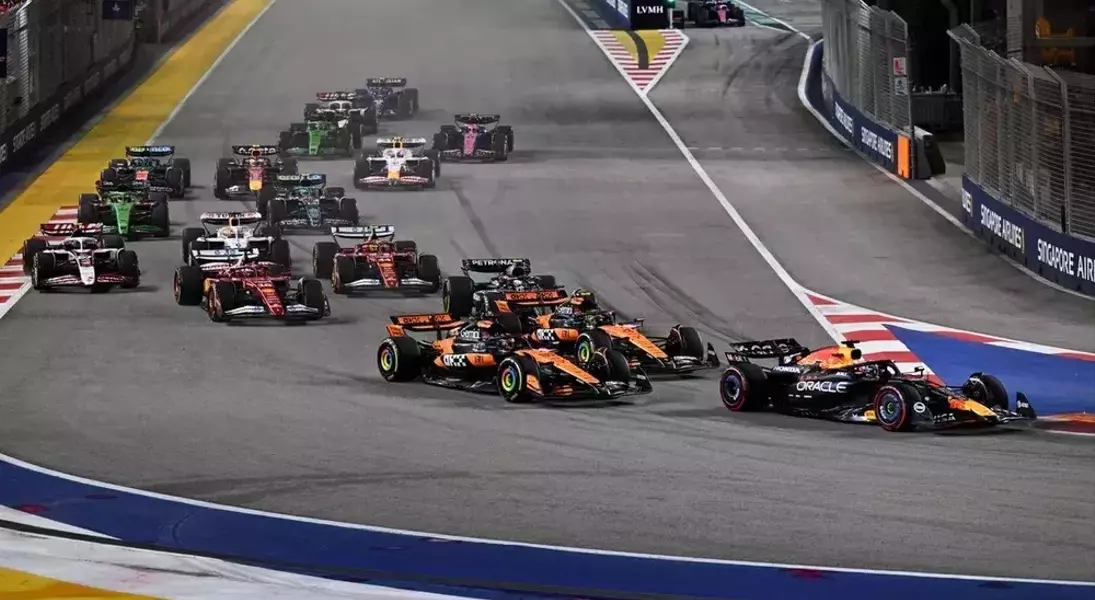
The 2026 Formula 1 season opener, the Bahrain Grand Prix held in Sepang, Malaysia, was marred by a significant software malfunction that brought all racing cars to a standstill during the crucial formation lap. This unexpected glitch underscores the intricate technical evolution of Formula 1 cars, which have become highly sophisticated mobile computing platforms under the latest regulations, particularly with the 50/50 power distribution between internal combustion engines and electrical batteries.
This season has been plagued by deep-seated technical issues, largely due to the intricate integration of active aerodynamics and a substantial increase in electrical power, which has tripled compared to previous generations. These advanced systems heavily rely on automated wet-weather energy management settings to ensure stability in challenging low-grip conditions. However, a critical bug in this energy management code during the Sepang event caused an abrupt and widespread power loss, severely impacting drivers like reigning 2025 champion Lando Norris, Max Verstappen, and Lewis Hamilton. The electronic paralysis was so profound that the FIA had to issue an emergency software update under red-flag conditions, disabling energy limit constraints to allow the race to commence.
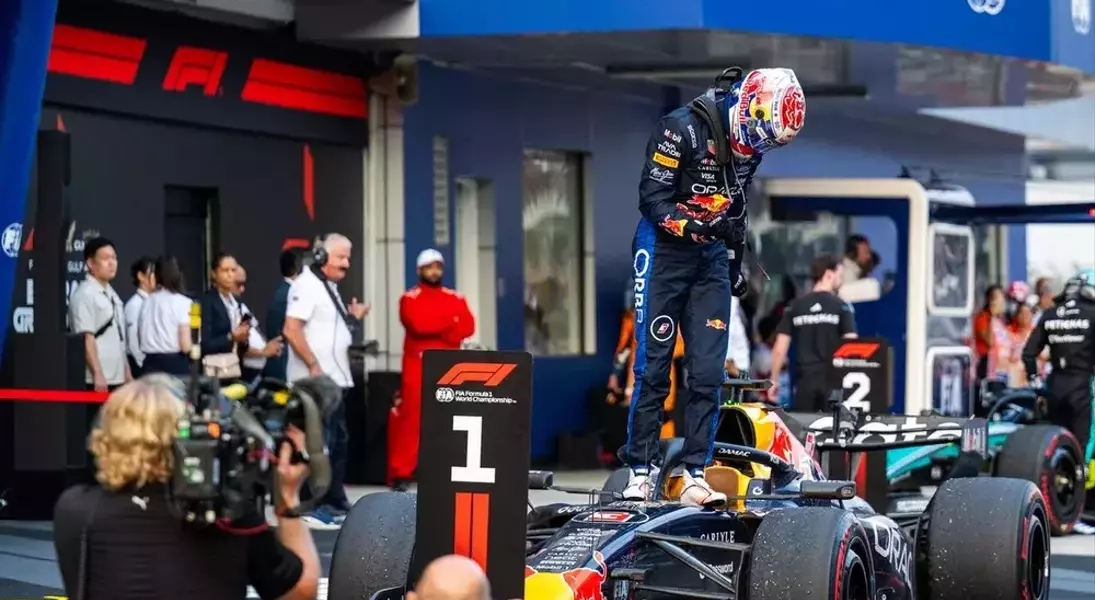
Witnessing the grid-wide system collapse from home, former Red Bull Racing adviser Helmut Marko expressed his dismay, calling the incident an embarrassment for the sport. Speaking to the Austrian publication oe24, Marko, a veteran in motorsport, described his viewing experience as frustrating, particularly the lengthy delays caused by the technical issues on top of the rain. While acknowledging weather-related stoppages as part of racing, he found it unacceptable for a multi-million-dollar sport like Formula 1 to be crippled by a software problem. Moving forward, Formula 1 officials face immense pressure to prevent similar digital blackouts, ensuring the ambitious 50/50 engine split technology performs flawlessly on race day.
In an era where technology is seamlessly woven into the fabric of elite sports, such incidents serve as powerful reminders of the double-edged sword that innovation can be. The relentless pursuit of cutting-edge performance demands not only groundbreaking engineering but also an unwavering commitment to reliability and integrity. Every setback, though frustrating, offers an invaluable opportunity for reflection and improvement, paving the way for a more robust and spectacular future for Formula 1. Embracing challenges and learning from them is crucial for ensuring the sport's continued excellence and inspiring upcoming generations of engineers and athletes.
New