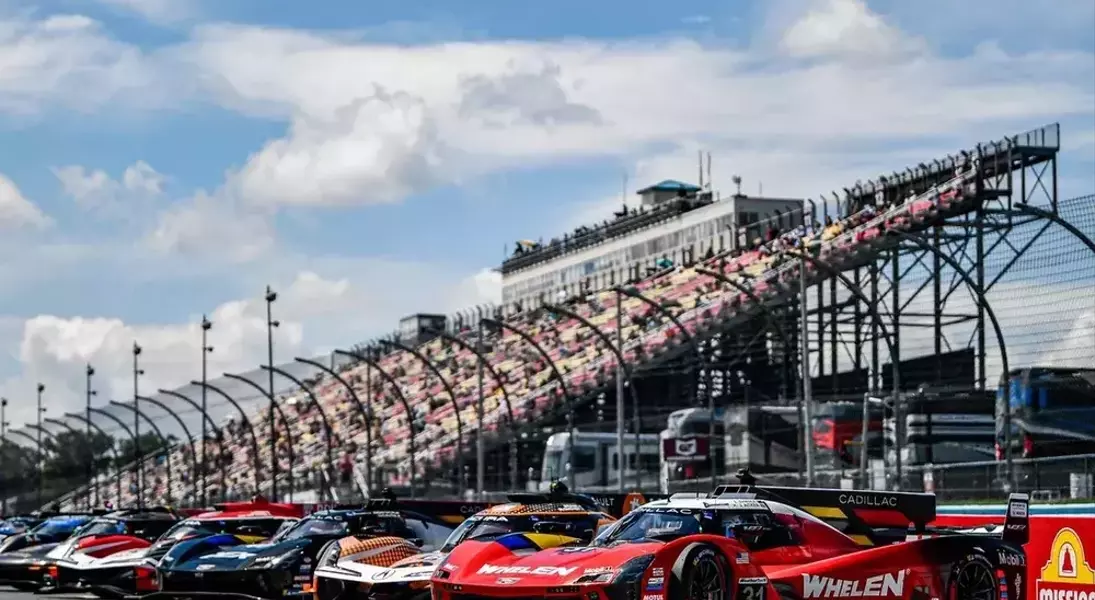
The IMSA WeatherTech SportsCar Championship is charting an ambitious course for its 2028 season, with President John Doonan at the helm, envisioning a substantial evolution of its racing calendar. This strategic overhaul includes exploring new geographic territories, particularly the Pacific Northwest, incorporating dynamic street circuits, and forging deeper collaborative ties with NASCAR. This forward-looking approach aims to refresh the series' appeal while meticulously managing financial implications for participating teams and maintaining the integrity of its traditional road course heritage.
IMSA's Vision for 2028: New Horizons and Strategic Partnerships Unveiled
In a significant announcement made on October 7, 2026, IMSA President John Doonan articulated an exciting roadmap for the WeatherTech SportsCar Championship's calendar, targeting 2028 for a transformative expansion. The core of this vision involves a proactive search for novel racing locations, with a keen focus on the Pacific Northwest. Doonan highlighted the region's strong automotive culture and the presence of major corporations like Amazon, Boeing, Microsoft, and Starbucks as key drivers for this interest, anticipating substantial fan engagement and corporate support. This initiative signals a departure from the established 'date and venue equity' by actively seeking new opportunities to broaden IMSA's reach.
A pivotal element of IMSA's future strategy is the exploration of enhanced collaboration with NASCAR. Building on the success of events like NASCAR's race at the Coronado Naval Base in San Diego and the Chicago street race, IMSA is considering joint race weekends, additional street races, and even events at U.S. military installations. Doonan expressed enthusiasm for these partnerships, emphasizing the emotional resonance of military base events and the potential of urban settings like Chicago to attract new audiences. He also acknowledged the necessity of aligning any new West Coast events with existing ones, such as Long Beach and Laguna Seca, to optimize logistics and minimize costs for teams. Balancing the allure of metropolitan street courses with the foundational popularity of natural terrain circuits like Road Atlanta and Road America remains a priority, ensuring a diverse and engaging schedule for both seasoned fans and newcomers.
To address the economic realities of expanding the schedule, Doonan confirmed that a rotating calendar, akin to Formula 1's model, is under serious consideration. This approach would allow for the inclusion of new venues without unduly burdening teams with excessive travel and operational costs. Furthermore, the possibility of deploying support series, such as the Michelin Pilot Challenge, to high-profile events where the main WeatherTech Championship might have scheduling conflicts (e.g., the 24 Hours of Le Mans or Sahlen's Six Hours of The Glen) is also being explored. Doonan underscored the importance of integrating any new events seamlessly into the season's complex 'Rubik's Cube' to ensure budgetary prudence. The initial steps towards organizing a military base event for 2028 are already in motion, with the comprehensive 2028 calendar expected to be unveiled around the 75th Mobil 1 Twelve Hours of Sebring in March, adhering to IMSA's tradition of announcing schedules approximately two years in advance.
This ambitious strategy demonstrates IMSA's commitment to innovation and growth, pushing the boundaries of sports car racing while remaining mindful of its foundational values. By embracing new locations, strategic partnerships, and flexible scheduling, IMSA aims to deliver a refreshed and thrilling experience for fans and participants alike, solidifying its position as a leading motorsport series.
New