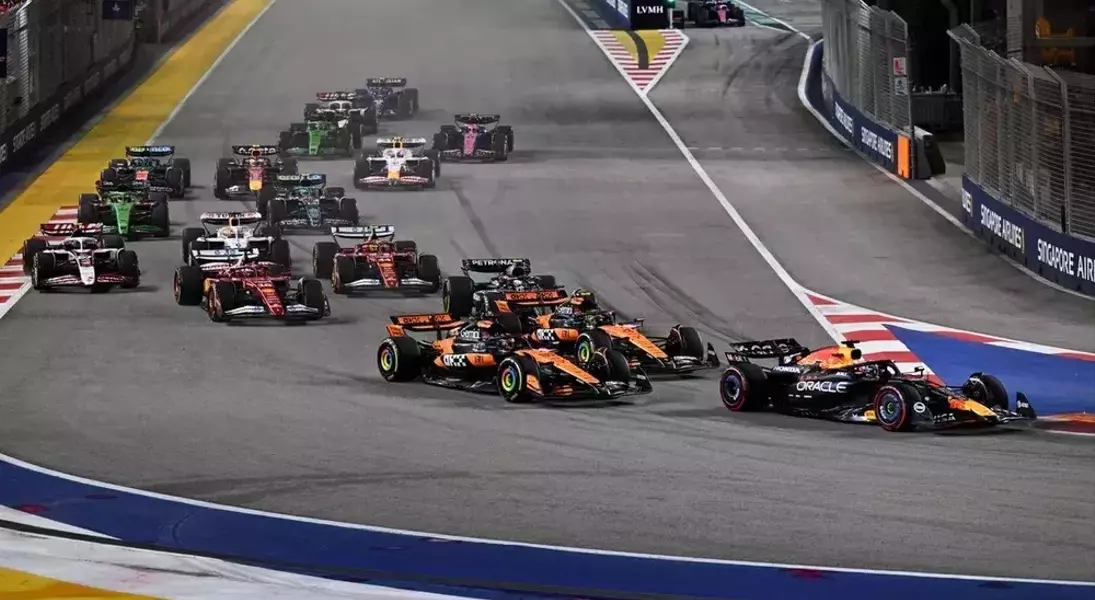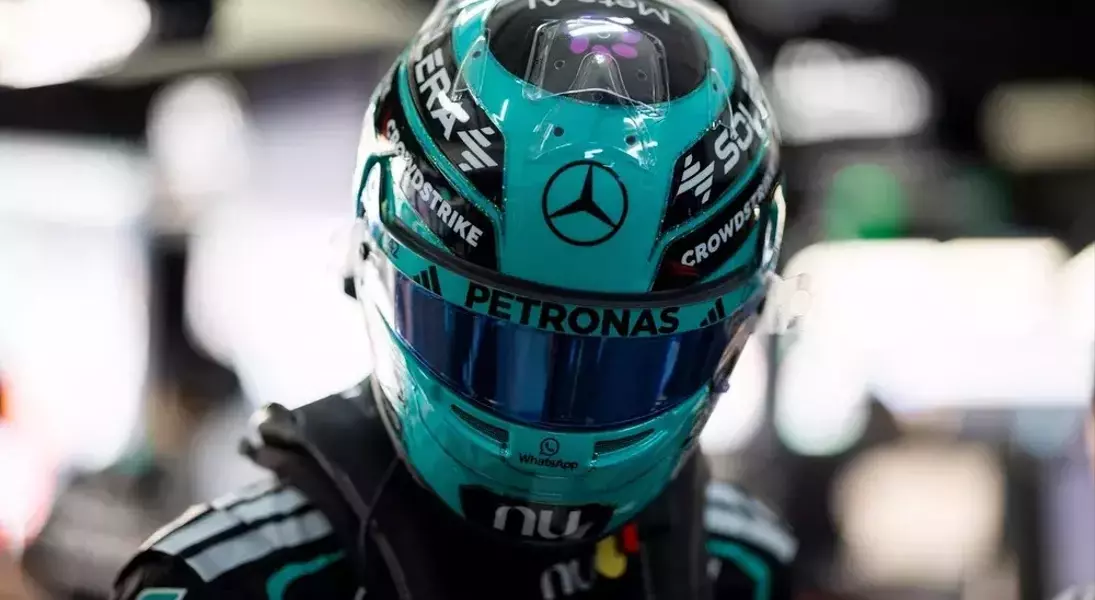
George Russell is anticipated to incur a grid penalty at the forthcoming Formula 1 Singapore Grand Prix, a direct consequence of his vehicle's power unit failure during the previous weekend's Sepang event. The Mercedes-AMG Petronas F1 Team driver experienced a sudden power unit malfunction while running in third place under safety car conditions with only five laps remaining in the race. This critical incident necessitates the installation of a new power unit for the Marina Bay circuit, and given that Russell has already utilized four power units in the current 2026 season, any further alterations will result in a 10-place grid drop. Such a setback is particularly challenging on the Singapore street circuit, renowned for its limited overtaking opportunities, making a recovery from the back of the grid exceptionally difficult for Russell.
This recurring power unit issue has been a persistent concern for Mercedes throughout an otherwise dominant season, underscoring a notable lack of reliability in certain components. Teammate Kimi Antonelli, for instance, also faced an engine failure during the Barcelona race, and Russell himself was forced to retire from the lead in Montreal due to a similar power unit problem. While this impending penalty was somewhat foreseen, Mercedes had reportedly aimed to implement it later in the year, potentially at the Austin race following Singapore. This strategic timing was linked to the planned introduction of an upgrade token under the new-for-2026 Additional Upgrades and Opportunities (ADUO) system. However, the unexpected failure in Sepang has altered these plans, potentially leading to Russell missing out on the optimal timing for the ADUO engine integration. Deputy team principal Bradley Lord confirmed the severity of the situation after the Bahrain Grand Prix in Malaysia, indicating the need to re-evaluate their engine deployment strategy given Russell's limited pool of low-mileage power units.
The challenges faced by George Russell and Mercedes emphasize the delicate balance between performance and durability in Formula 1. Despite setbacks, their resilience and strategic adjustments in response to technical issues demonstrate a persistent drive for excellence. In the demanding world of motorsport, overcoming adversity and adapting to unforeseen circumstances are crucial elements of success, reflecting the team's unwavering commitment to competition and innovation.
New