Formula 1's Roaring Comeback: The Era of Turbo V8 Engines Resurrected
Sepang's Disastrous Grand Prix: A Catalyst for Change in Formula 1
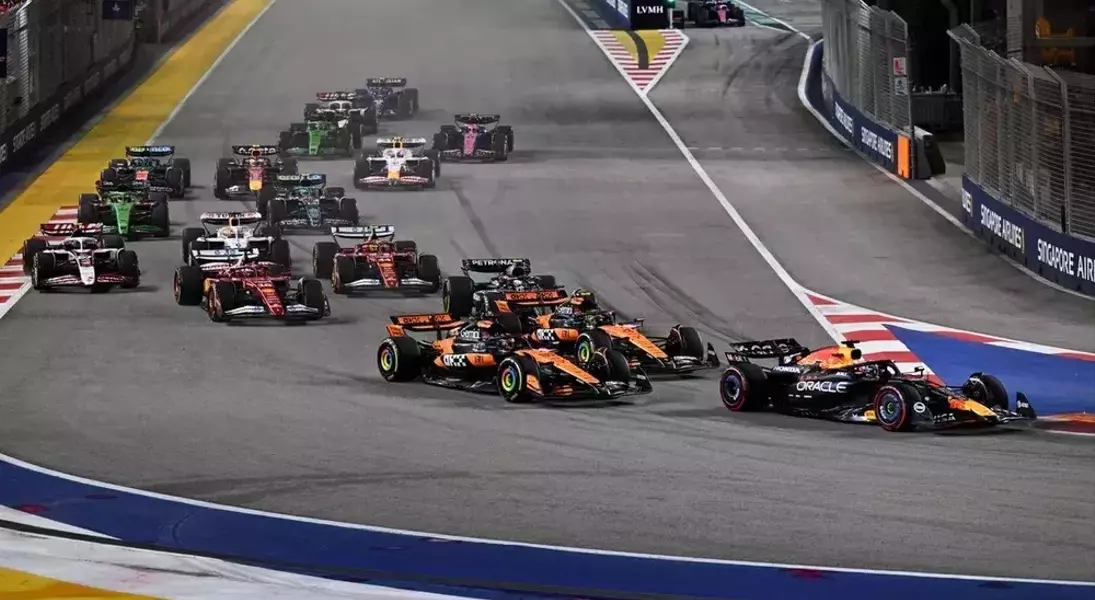
The 2026 Bahrain Grand Prix, held in Sepang, Malaysia, will be etched in history not only for its record-breaking attendance but also for its glaring technical malfunctions. A lengthy rain delay and a contentious software glitch, stemming from the intricate 2026 regulations, transformed the race weekend into a tumultuous event for Formula 1 officials.
Helmut Marko's Outspoken Critique of Modern F1's Technical Woes
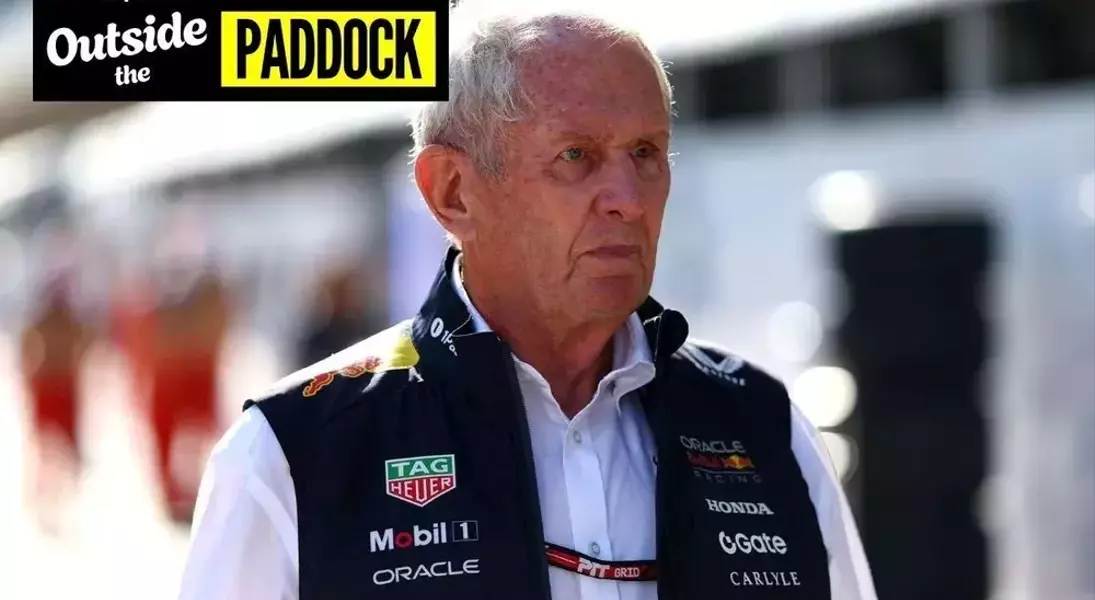
Observing the unfolding chaos from his home, former Red Bull advisor Helmut Marko expressed profound dismay. In an exclusive interview with the Austrian publication oe24, Marko unveiled a significant revelation: the ongoing technical challenges of the 2026 season have compelled the sport's governing bodies to greenlight a comprehensive engine transformation for the 2030 season. He confidently declared this change as a "done deal."
The "Shameful" Spectacle: A Veteran's View from the Sidelines
With the 2026 regulations dictating a complex 50/50 power distribution between internal combustion and electrical components, the vehicles have become sophisticated mobile computing systems. When a widespread software issue brought the Sepang race to a halt, Marko, for the first time in decades, experienced the event purely as a spectator.
When questioned about his reaction to the chaotic scene, the seasoned Austrian motorsport figure offered an unfiltered assessment. "Completely at ease in front of the television, much like a typical Formula 1 enthusiast," Marko remarked. "I dismantled the extra screens I had set up after the first grand prix. What I see on television now suffices, although the prolonged rain delay made the waiting quite tedious."
Technological Setbacks and the Call for Simplicity
While the heavy rainfall was an act of nature, Marko found the technical failures under the new regulations utterly unacceptable. "It is disgraceful that a premium sport like Formula 1 is crippled by a software issue," Marko lamented.
The Confirmed Return of Turbo V8 Engines in 2030
Despite the current frustrations caused by the 2026 regulations, with their battery "clipping" and software malfunctions, Marko highlighted a significant positive outcome for motorsport purists. "Conversely, this debacle is prompting a reconsideration," Marko disclosed to oe24. "The reintroduction of the V8 engine with Turbo by 2030 is, to my knowledge, a confirmed decision."
Aligning with Driver Demands: A Vision for F1's Future
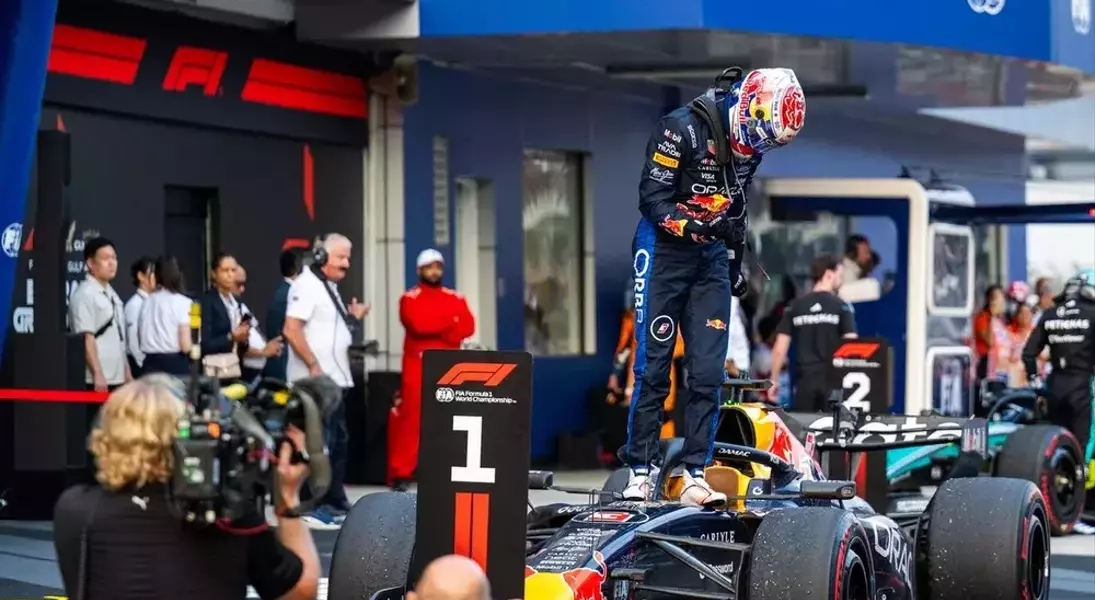
This revelation aligns perfectly with recent paddock rumors and the persistent demands of drivers. Just days prior, Red Bull's Max Verstappen openly expressed on a podcast his ultimate aspiration for the sport: to shed heavy hybrid systems, eliminate DRS, and revert to lighter V8 engines.
If Marko's insider information proves accurate, the current Formula 1 grid will endure only a few more seasons of this contentious era before the sport embraces the exhilarating, turbocharged V8 engines that originally cemented its legendary status.
New