The world of Formula 1 is currently buzzing with significant news, from driver penalties and potential new race venues to regulatory debates and exciting off-track ventures. These developments collectively highlight the fast-paced and ever-evolving nature of motorsport, keeping fans and pundits alike on the edge of their seats as the season progresses and future plans take shape. The sport continues to grapple with technical challenges, strategic decisions, and the pursuit of global expansion, all while its star drivers explore new dimensions of competitive racing.
F1 News Recap: Penalties, Expansions, and Driver Insights
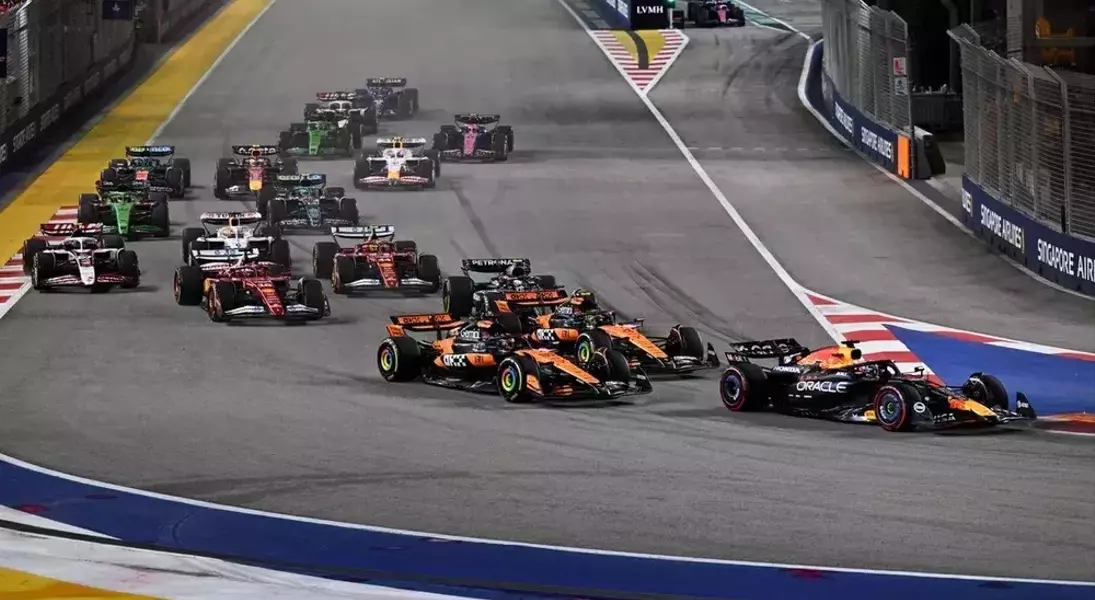
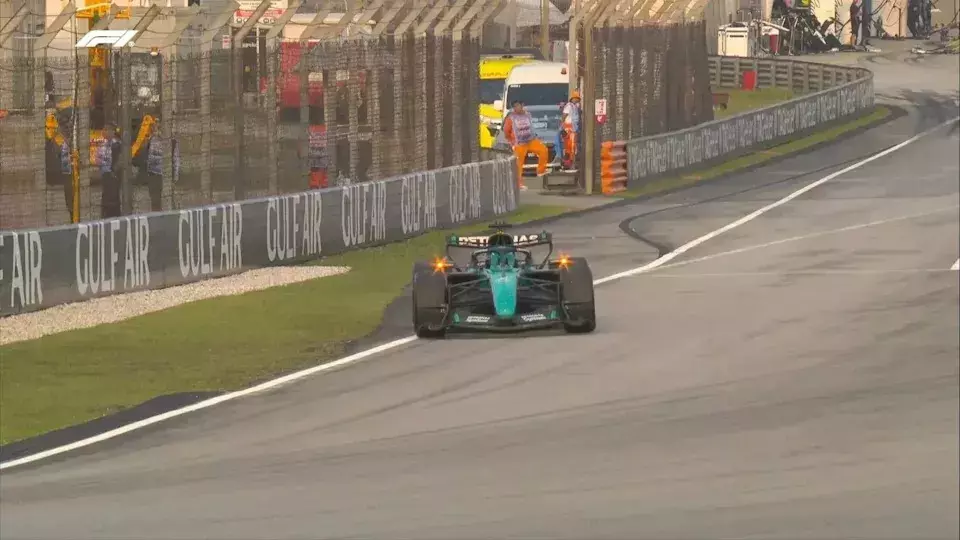
In a significant turn of events for the upcoming Singapore Grand Prix, Mercedes driver George Russell faces a substantial grid penalty. Following a power unit failure during the Bahrain race, an issue that team principal Toto Wolff attributed to the engine rather than safety car conditions, Russell's car required a new power unit. This replacement exceeds the permitted season's allocation, leading to a considerable grid drop in a race where starting position is often paramount. This setback is particularly challenging for Russell, who is already trailing Kimi Antonelli by 84 points in the championship standings. While revisions to Marina Bay's final sector might offer some limited overtaking opportunities, the penalty undoubtedly complicates his prospects for a strong finish.
Meanwhile, the horizon of Formula 1 could soon expand to new territories, with reports indicating that Rwanda is on the verge of securing a deal to host an African Grand Prix as early as 2030. This would mark a historic return for F1 to the African continent, the first since the 1993 South African Grand Prix at Kyalami. The proposed event is centered around a state-of-the-art, purpose-built circuit approximately 40 kilometers from Kigali, close to Bugesera International Airport. The track's design is being overseen by a firm led by former F1 driver Alexander Wurz. Rwandan President Paul Kagame has been a key advocate for this initiative, engaging in ongoing discussions with FIA president Mohammed Ben Sulayem and F1 CEO Stefano Domenicali, especially after Kigali hosted the FIA's 2024 General Assemblies and Prize Giving ceremony, underscoring the nation's commitment to bringing elite motorsport to East Africa.
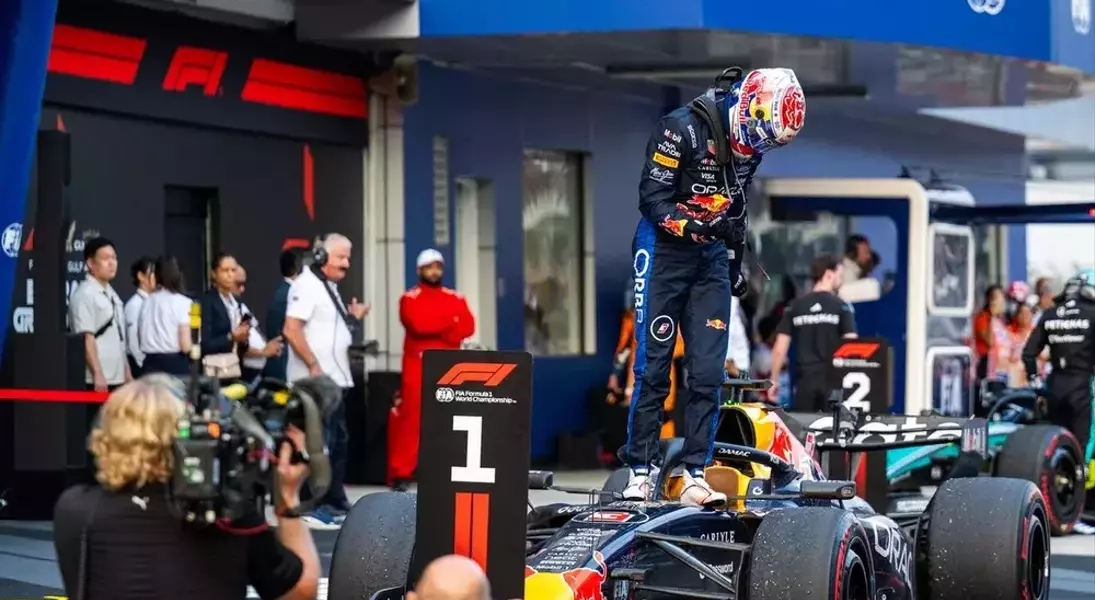
Adding to the discourse surrounding the sport's future, Max Verstappen has offered outspoken criticisms of the 2026 Formula 1 regulations. The reigning champion argues for a return to lighter, naturally aspirated V8 engines, supplemented by a small battery for push-to-pass functionality. He believes this configuration would significantly enhance the quality of racing and reduce the current over-reliance on the Drag Reduction System (DRS). Verstappen also voiced his frustration over a recent software glitch that caused a delay at the Bahrain Grand Prix start in Malaysia, emphasizing the need for the sport to learn from such technical setbacks. Having begun his season with a victory at Sepang for Red Bull, Verstappen now looks ahead to the Singapore race, advocating for changes that he believes would address many of F1's existing challenges.
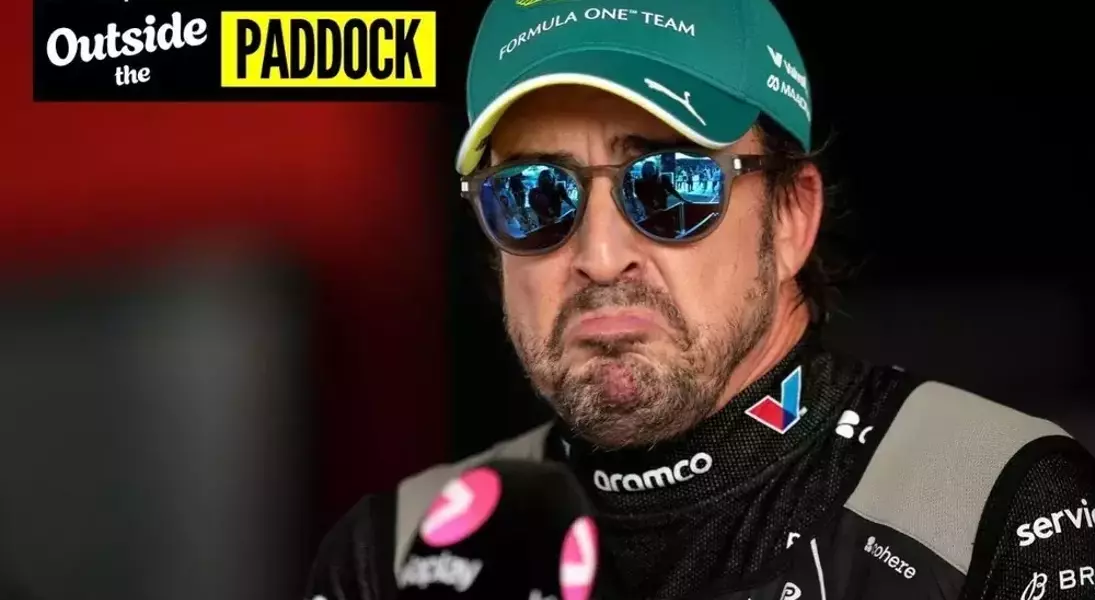
Beyond the asphalt of Formula 1 circuits, Fernando Alonso is embarking on a thrilling new adventure. The two-time F1 world champion is preparing to tackle the Dakar Rally once again, an endeavor he previously attempted in 2020. This time, he will be reunited with his former co-driver Marc Coma. The plan involves racing a Prodrive-built T1+ car, which previously competed as the Dacia Sandrider, now featuring redesigned bodywork and Aston Martin livery. Initial testing for this formidable off-road machine is anticipated to commence in the coming week. This move follows Alonso's recent contract extension with Aston Martin through 2027, showcasing his enduring passion for diverse forms of motorsport, including his prior successes at Le Mans and participation in the Indianapolis 500.
These converging narratives—from Russell's strategic disadvantage in Singapore to the visionary expansion into Africa, Verstappen's bold proposals for F1's technical direction, and Alonso's adventurous spirit—paint a vivid picture of Formula 1 as a sport constantly in motion, both on and off the track. The blend of high-stakes competition, technological debates, and personal challenges continues to captivate and inspire, reinforcing F1's status as a global phenomenon.
New