Mastering Fish Preservation: Freshness for a Healthier Heart!
The Heart-Healthy Power of Fish: Cardiologist Insights
Protein is a fundamental component of a balanced diet, crucial for muscle development, including that of the heart. However, not all protein sources are equally beneficial. When consulting heart specialists, fish consistently emerges as the most recommended protein for bolstering cardiovascular health. Cardiologist Mary Greene, M.D., advocates for a pesco-Mediterranean diet, which prioritizes seafood rich in omega-3 fatty acids and low in saturated fats. These qualities are vital for reducing cholesterol, combating inflammation, and fortifying the heart muscle. Varieties such as salmon, tuna, sardines, trout, mackerel, and herring are highly praised. To truly reap these advantages, regular consumption is key, which necessitates effective storage solutions.
Best Practices for Refrigerating Raw Fish
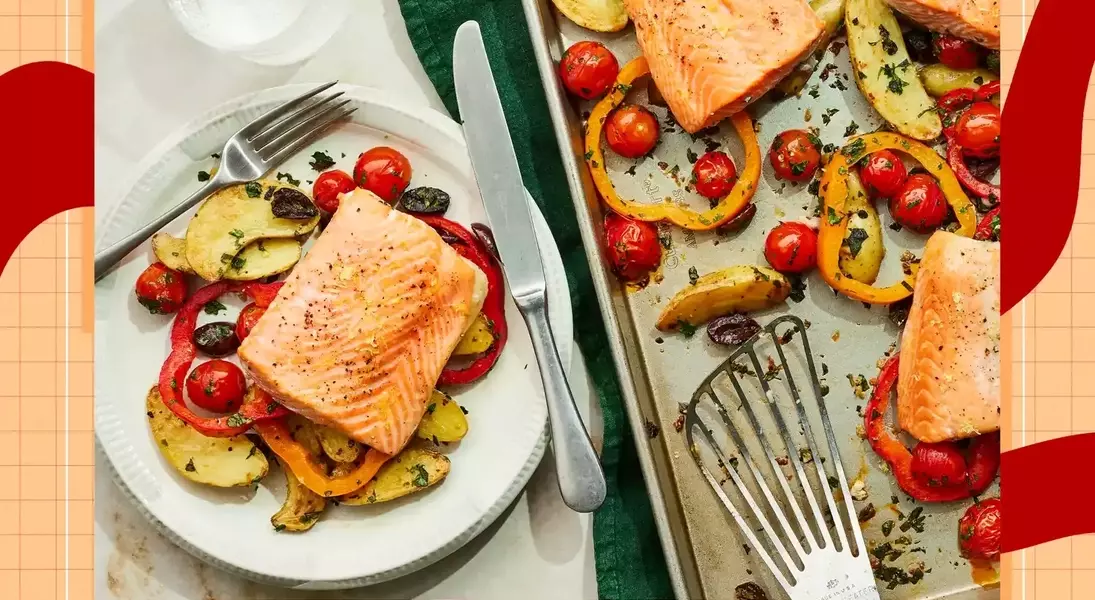
Proper storage is essential to keep your fish fresh and prevent spoilage. For raw fish, whether whole or filleted, specific techniques can extend its shelf life. Larger and leaner cuts tend to last longer. When storing a whole fish, place it unwrapped on a sheet tray filled with ice. For fillets or larger portions, wrap them tightly in plastic before placing them on an ice-filled tray. Sheet trays are particularly useful due to their raised edges, which prevent melted ice or contaminants from spilling, and their rectangular shape, which optimizes refrigerator space.
Essential Tools for Raw Fish Preservation
Investing in the right kitchen tools can significantly enhance your fish storage efforts. A durable quarter sheet pan with raised edges is ideal for holding ice and preventing leaks. For wrapping, a high-quality plastic wrap, such as those found in foodservice packages, is recommended. Its superior cling and strength minimize oxygen exposure, crucial for maintaining freshness and preventing odor transfer and cross-contamination within your refrigerator. Such large rolls are not only more convenient to use but also offer long-lasting value.
Storing Cooked Fish: Refrigerator and Freezer Methods
For cooked fish, airtight storage is paramount. Glass containers are preferred for this purpose as they effectively seal out excess oxygen, which slows bacterial growth and spoilage. This method also prevents fish odors from permeating other foods in your refrigerator. Pyrex's Simply Store containers are an excellent choice due to their streamlined design and secure airtight seals. Their rectangular shapes are well-suited for fish fillets, and the variety of sizes accommodates different portion needs, making them versatile for both refrigeration and freezing.
Freezing Raw Fish Fillets for Extended Freshness
When freezing raw fish fillets, eliminating air is critical. While sturdy containers or tight-sealing bags can work, a vacuum sealer offers the best solution. This appliance removes oxygen, creating an optimal airtight environment that significantly prolongs freshness. The NutriChef model is a cost-effective and efficient option for beginners, proving effective in sealing various ingredients, including raw fish. Properly vacuum-sealed raw fillets can last up to eight months in the freezer, while cooked fillets should be consumed within three months. Always label and date your packages to ensure you use them before their quality diminishes.
New