Nourish Your Body: Power Up with Natural Electrolytes!
Spinach: A Powerhouse of Electrolytes and Antioxidants
Spinach, a leafy green vegetable, is an outstanding source of vital electrolyte minerals. A single cup of spinach provides approximately 167 milligrams of potassium, 24 milligrams of magnesium, and 30 milligrams of calcium. Beyond electrolytes, spinach is also rich in antioxidants, which are believed to support cognitive function, enhance wound healing, and reduce the risk of age-related macular degeneration. Integrating spinach into your meals is simple: add it to salads, smoothies, omelets, stir-fries, or soups to boost your electrolyte intake. For maximum nutrient retention, consume spinach raw or lightly steamed.
Bananas: Your Go-To for Muscle Function
Bananas are an excellent choice for a quick pre-workout energy boost due to their high potassium content, a mineral vital for robust muscle function. A small banana, weighing about 100 grams, contains 362 milligrams of potassium. Additionally, bananas are a good source of fiber, providing 3 grams per serving, which is crucial for digestive health and stable blood sugar levels. Adding a banana to your smoothie can enhance its potassium and fiber content while also providing a creamy texture.
Avocados: A Potassium Kingpin for Heart and Gut Health
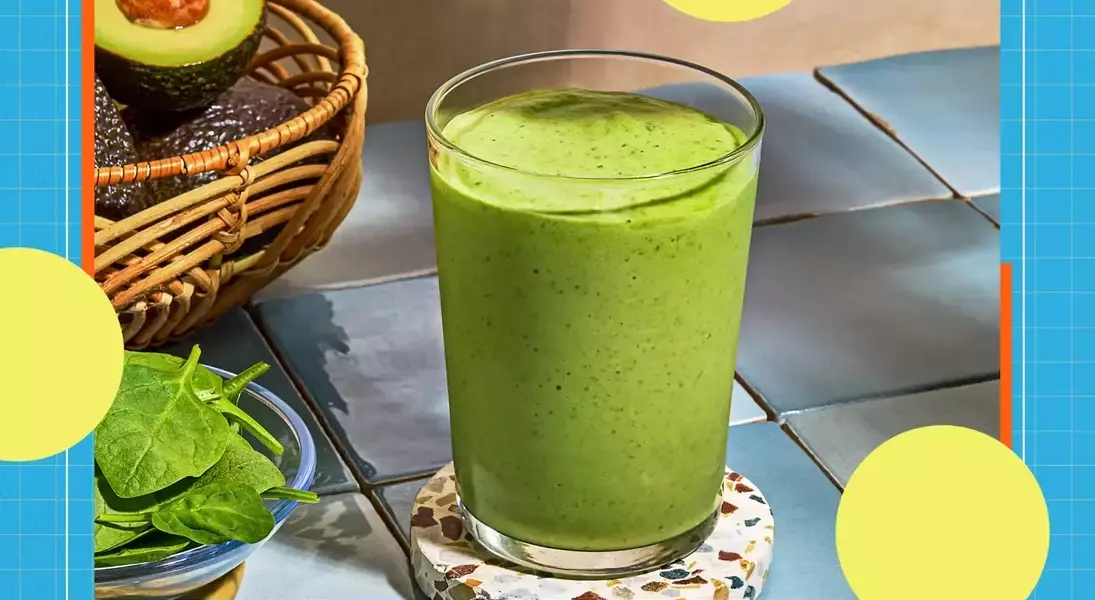
While bananas are widely recognized for potassium, avocados surpass them, offering an impressive 728 milligrams of potassium per fruit. Avocados are not only packed with electrolytes but also supply healthy monounsaturated fats, beneficial for cardiovascular health, and fiber, essential for gut well-being. Enjoy avocados on toast, wrapped in a tortilla, or as a creamy addition to salads. Combining bananas, avocados, and spinach in a smoothie creates a super-charged, electrolyte-rich snack or meal.
Dried Figs: Sweet and Bone-Strengthening Electrolytes
Dried figs are a concentrated source of calcium and potassium. A half-cup serving (approximately 100 grams) of dried figs contains 162 milligrams of calcium and 680 milligrams of potassium. These dried fruits are also rich in antioxidants and contribute to strong bone health. Dried figs are a convenient snack and add 4 grams of fiber per quarter-cup serving. They can also enhance the natural sweetness and fiber in salads, oatmeal, or yogurt.
Watermelon: The Refreshing Hydrator
Watermelon is not only a refreshing and delicious fruit but also an excellent source of potassium and magnesium, both crucial for muscle and nerve function. One cup of watermelon provides 170 milligrams of potassium and 15 milligrams of magnesium. Watermelon can be enjoyed fresh, as juice, or frozen into popsicle-like treats. It's also a fantastic addition to summer salads, offering a sweet and juicy contrast.
The Essential Role of Electrolytes in Bodily Functions
Electrolytes are a collection of charged minerals, including sodium, phosphate, potassium, calcium, magnesium, and chloride. These minerals are indispensable for the proper functioning of the human body, working in tandem with fluids. Electrolytes are critical for neural communication, allowing the brain to transmit signals necessary for all movements, from blinking to weightlifting. They are also vital for muscle contraction, particularly calcium and magnesium, which enable the heart to contract and relax correctly. Furthermore, electrolytes support hydration, regulate fluid balance, and maintain optimal pH levels in the blood and cells. These minerals are naturally lost through sweat and urine, and excessive loss can occur during illness or intense physical activity.
Expert Insights on Electrolyte Intake
Electrolytes are indispensable minerals that facilitate numerous bodily functions, including muscle contraction, maintaining fluid and pH equilibrium, and nerve signaling. These essential compounds are found naturally in a variety of foods such as avocados, watermelon, and spinach. Contrary to popular belief, most individuals can adequately meet their electrolyte requirements through a well-rounded diet rich in diverse fruits and vegetables, eliminating the need for commercial electrolyte beverages.
New