Understanding the best practices for cleaning vegetables is not just about aesthetics; it is a critical step in safeguarding your health and preventing foodborne illnesses. From farm to fork, produce can encounter various contaminants, making proper washing techniques indispensable. Whether your vegetables come from a local market or a large grocery store, applying the right cleaning methods ensures they are safe and enjoyable to eat.
Essential Insights on Vegetable Hygiene
In the culinary world, maintaining impeccable hygiene is fundamental, especially when it comes to fresh produce. Food scientist Jessica Gavin emphasizes that a significant concern with vegetables is their potential exposure to harmful bacteria, such as Salmonella, Listeria, and E. coli, which can originate from soil or water during growth. Post-harvest, contamination can also occur during storage or preparation. This is particularly relevant for raw or lightly cooked produce, as cooking may not always eliminate these bacteria, posing a higher risk of illness. Therefore, adopting a meticulous approach to cleaning vegetables is crucial for mitigating these risks.
To effectively clean your vegetables while preserving their freshness and taste, Gavin recommends a series of steps:
- Always begin by thoroughly washing your hands with soap and warm water for at least 20 seconds before handling any produce. This foundational step is vital to prevent transferring germs to your food items.
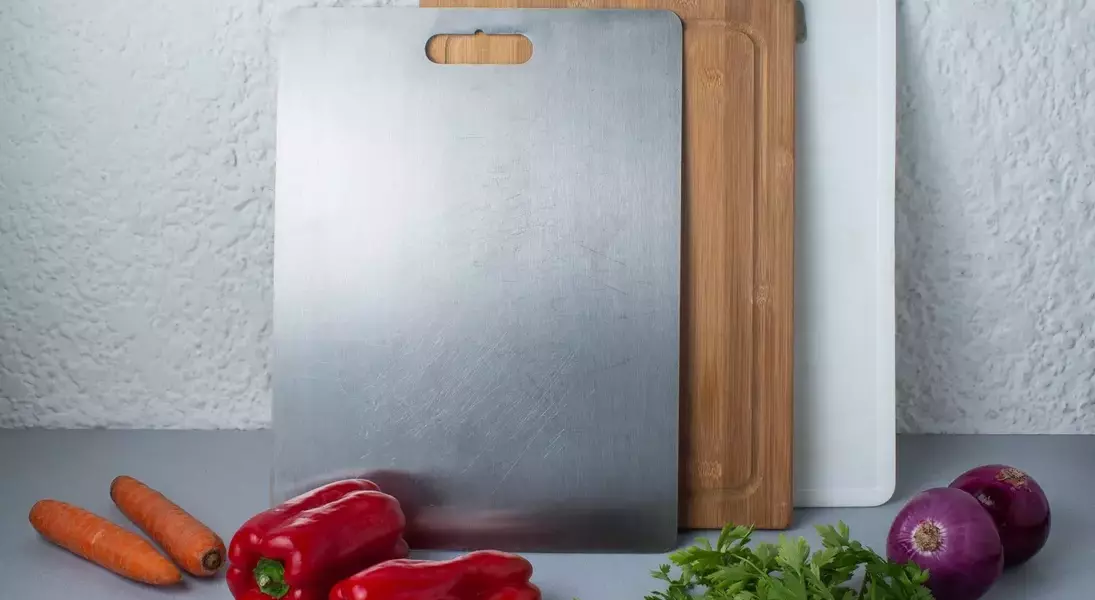
- Prevent cross-contamination by designating separate cutting boards for fresh, ready-to-eat produce and raw meats. When possible, plastic cutting boards should be sanitized in a dishwasher.
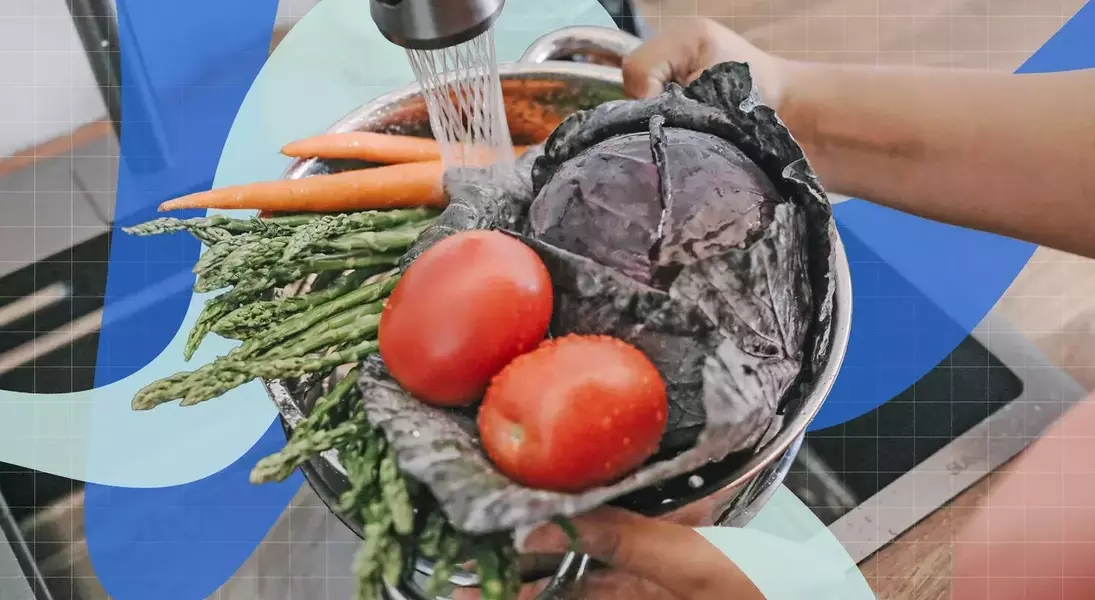
- Rinse all vegetables under cold running water. This helps to dislodge dirt, pesticides, and any lingering bacteria from the surface.
- For leafy greens, gently separate the large leaves and rinse each under cold water. Subsequently, immerse them in a bowl of cold water, swirling them to remove embedded dirt. Drain and repeat if necessary. A salad spinner can then be used to remove excess moisture, or they can be dried with a clean kitchen towel.
- Root vegetables, such as carrots and potatoes, should be scrubbed under cold running water to remove visible soil. It is advisable to peel these vegetables only after they have been thoroughly washed to avoid introducing pathogens.
- Firm vegetables like cucumbers and zucchini, along with hard-skinned varieties such as winter squash, require rinsing and scrubbing under cold water to eliminate surface contaminants, especially if they are to be consumed raw. Drying them afterward helps to remove any residual surface bacteria.
The overarching goal of these methods is to prevent the introduction of external contaminants from hands, cutting boards, and utensils. Using cool running water, typically between 45–55°F (7–13°C), is key as it helps keep the vegetables' pores closed, thereby inhibiting bacterial penetration while effectively washing away dirt and pathogens.
To Soak or Not to Soak: The Vinegar Question
While rinsing is essential, extended soaking of most vegetables should be avoided, as this can paradoxically reintroduce contaminants. The exception is for leafy greens, which benefit from a brief swirl in cold water. Soap and commercial produce washes are also not recommended, as vegetables are porous and can absorb these substances, potentially leading to illness. For more delicate items like mushrooms, a quick rinse under cold water, a gentle brush to remove dirt, and thorough drying are sufficient to prevent sliminess.
For those seeking an extra layer of protection against surface bacteria and mold, a diluted vinegar solution can be beneficial. As observed in social media trends with berries, a brief soak in water with a splash of white vinegar can effectively loosen debris and inhibit microbial growth. The acetic acid in vinegar creates an environment unfavorable for bacteria and fungi. However, this method is usually only necessary for specific items like cucumbers, especially if they are to be stored, and a subsequent rinse with plain water is crucial to eliminate any vinegar residue.
Market vs. Store: The Cleaning Imperative
The origin of your vegetables—be it a bustling farmers' market or a well-stocked grocery store—does not negate the necessity of thorough cleaning. Produce from farmers' markets or homegrown gardens often travels shorter distances and may bypass some of the commercial cleaning steps applied to supermarket items. This is often evident in the visible presence of more dirt on market produce.
Even store-bought vegetables, despite being commercially washed, can still carry surface bacteria. Therefore, a quick rinse under running water is a universal recommendation to ensure your vegetables are clean and safe for consumption, regardless of their source.
Final Thoughts from a Reporter's Perspective: A Commitment to Health
As a reporter covering health and safety, I find Jessica Gavin's insights particularly valuable. Her emphasis on seemingly simple practices, such as hand washing and avoiding cross-contamination, underscores the foundational principles of food safety that are often overlooked. The nuances of cleaning different types of vegetables—from the gentle handling of leafy greens to the rigorous scrubbing of root vegetables—highlight that a one-size-fits-all approach is insufficient. The information presented serves as a powerful reminder that our diligence in the kitchen directly impacts our well-being. By integrating these scientific-backed methods into our daily routines, we not only protect ourselves and our families from potential illnesses but also cultivate a deeper appreciation for the journey our food takes from the earth to our plates.
New